
PHAGE 101
Phage Classification

01
LYTIC
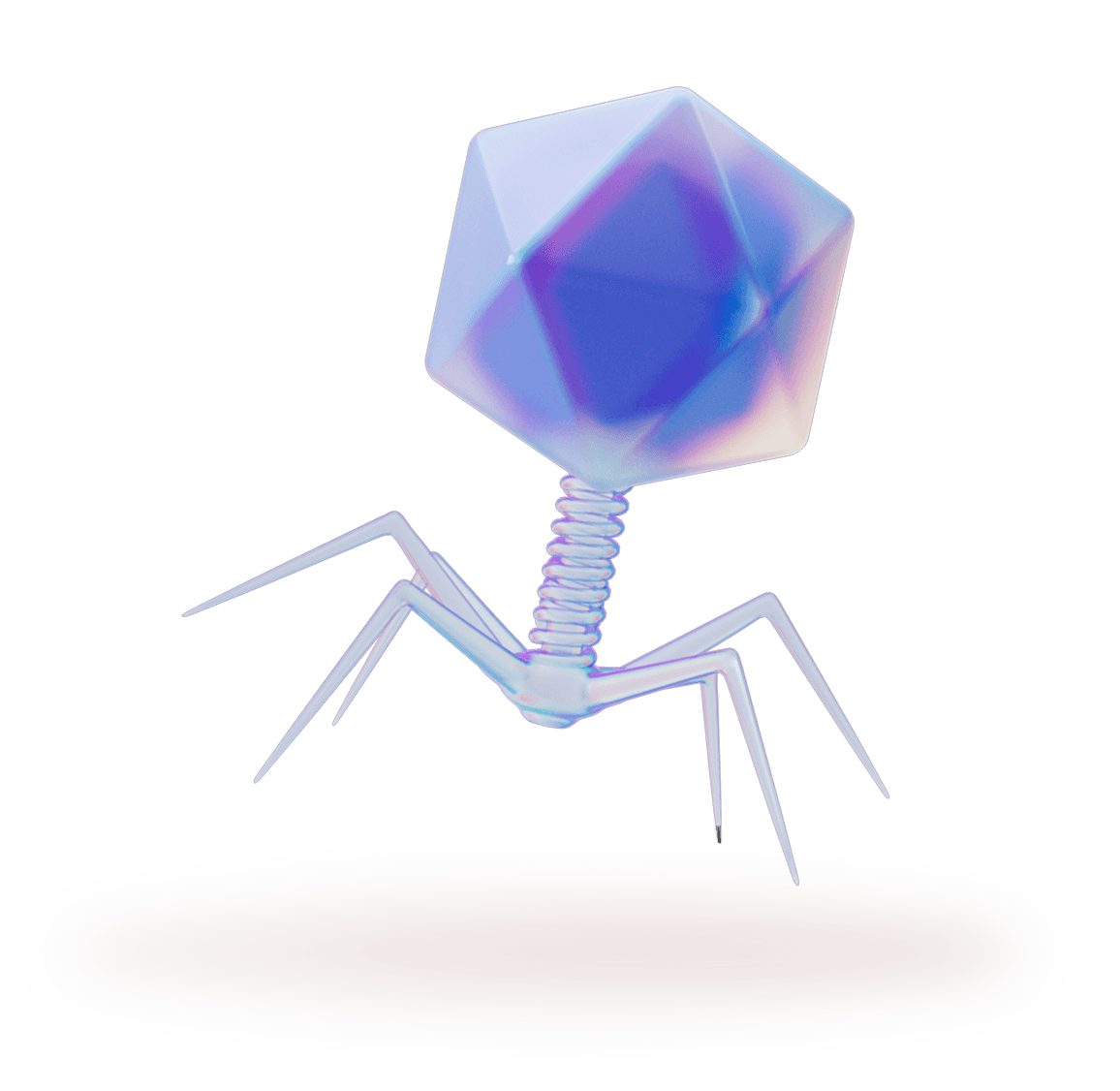
Lytic phages rapidly destroy bacteria through lysis, which is the release of an enzyme that breaks down cell walls.
02
TEMPERATE
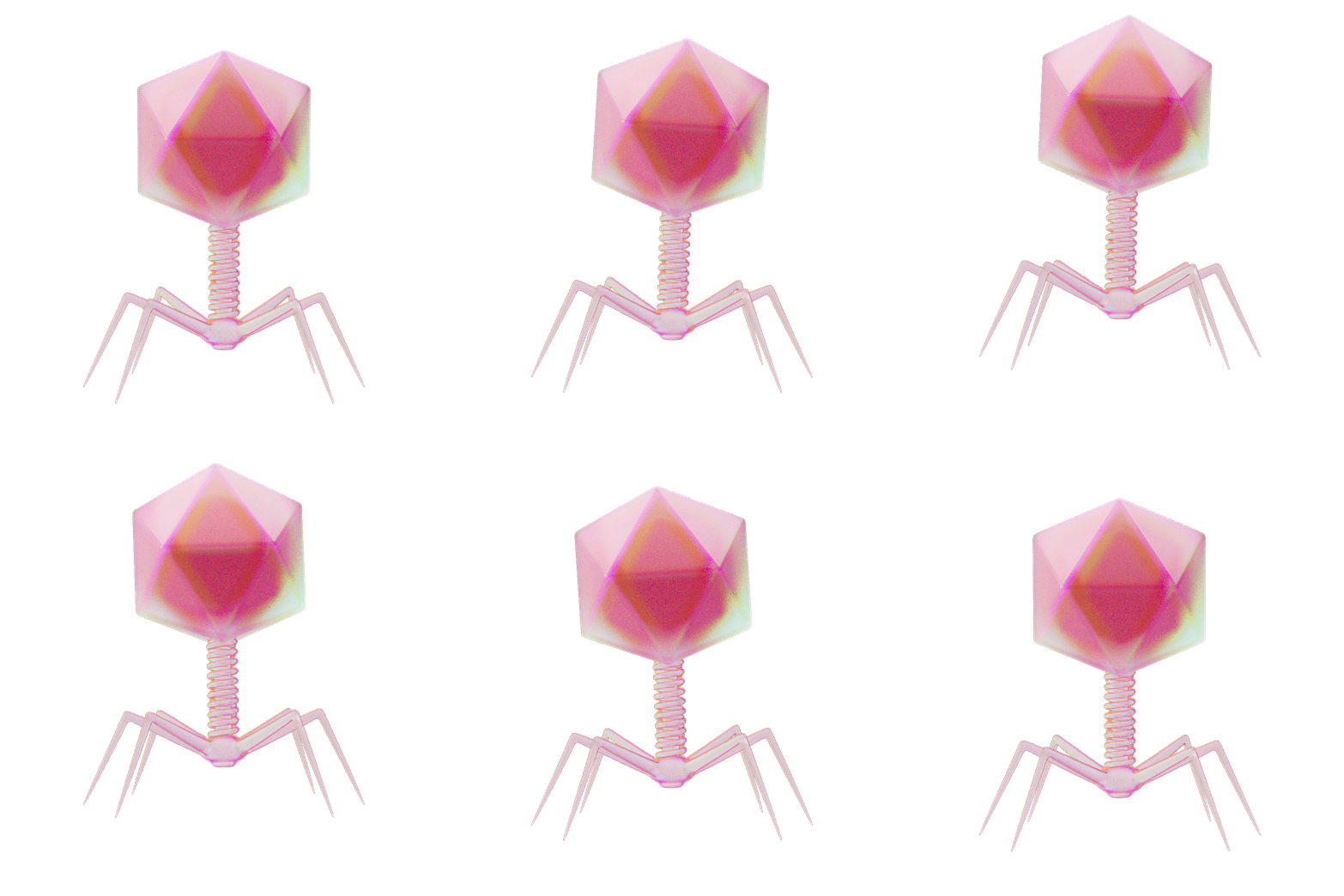
Temperate phages lie dormant inside bacterial DNA for varying amounts of time before eventually destroying the bacteria through cell lysis.
Phage therapy only uses lytic phages for their ability to eliminate bacteria quickly.
FUTURE applicationS
The Future of Phage Therapy
Phages can kill bacteria that antibiotics no longer touch. Finding the right phage for each strain used to mean testing them one by one. AI is changing that, and here’s where we think it goes next.
What AI changes
Where that leads


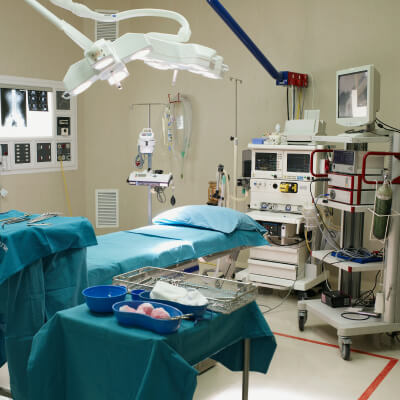
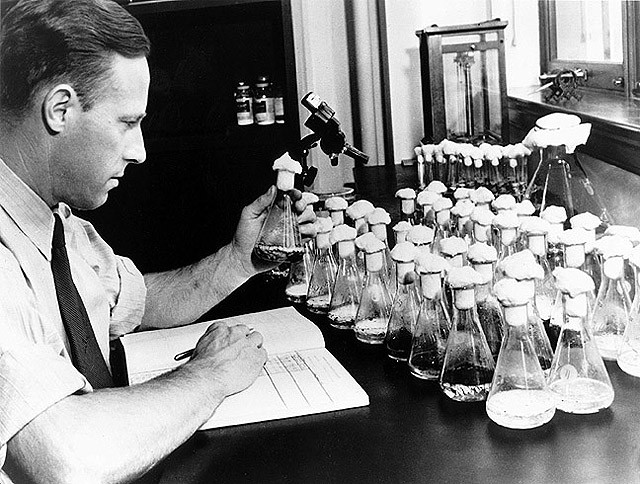
For the past 100 years, phages have journeyed from groundbreaking discovery to near abandonment. Now with advancements in microbiology and artificial intelligence, they are emerging as a solution to the antimicrobial resistance (AMR) crisis.




What is phage therapy?
Phage therapy is the use of bacteriophages to treat pathogenic bacterial infections.
Where does AI come in?
Phages are so specific that matching one to a strain used to mean testing them one by one in the lab. Our models read the genomes of phages and bacteria to predict which phage kills which strain, so the lab only tests the best candidates.
Are phages safe for humans?
Phages have an excellent safety profile because they're naturally occurring and highly selective. They only attack specific bacterial targets, leaving human cells and beneficial bacteria untouched.
What happens to all the phages after a bacterial infection is treated?
Phages cannot survive without their host bacteria. The body’s immune system naturally clears out any remaining phages that are no longer needed. This is done by white blood cells responsible for clearing out debris and dead cells from the body (macrophages).
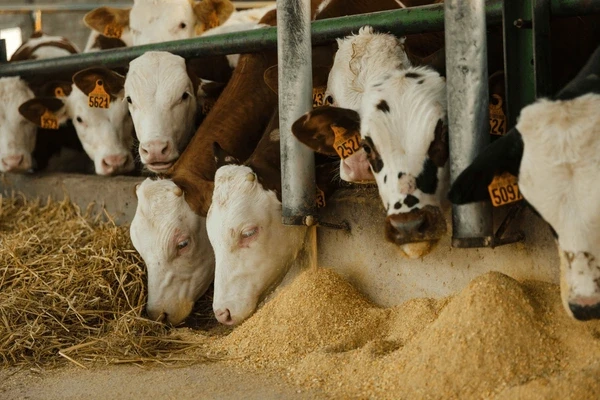
Are animals treated with phages safe to eat?
Yes. Humans and animals are naturally in contact with high amounts of bacteriophages produced natively in the gastrointestinal tract as well as food, water, and the environment.
Why isn’t phage therapy already widely available?